D2C brands are spending heavily on advertising — and still watching customers walk away to competitors selling similar products at lower prices.
The global D2C market is projected to approach $900 billion this year, according to IMARC Group. Over 64% of consumers worldwide now prefer buying directly from brands for a better experience. The opportunity is enormous, but so is the pressure to spend wisely and acquire customers efficiently.
The brands growing fastest in 2026 are not necessarily spending the most. They are spending smarter — identifying which traffic sources bring the right buyers at the right cost, and concentrating their resources there.
A strong D2C marketing strategy is not about showing up everywhere. It is about understanding where your buyers actually are, what triggers their decisions, and how to position your brand consistently across those moments.
Here are the three most profitable traffic channels delivering consistent revenue for D2C brands in 2026 — and why each one works the way it does.
Meta Ads — Paid Social Traffic That Builds Purchase Intent
Google captures buyers who are already ready to purchase. Meta creates that readiness in the first place.
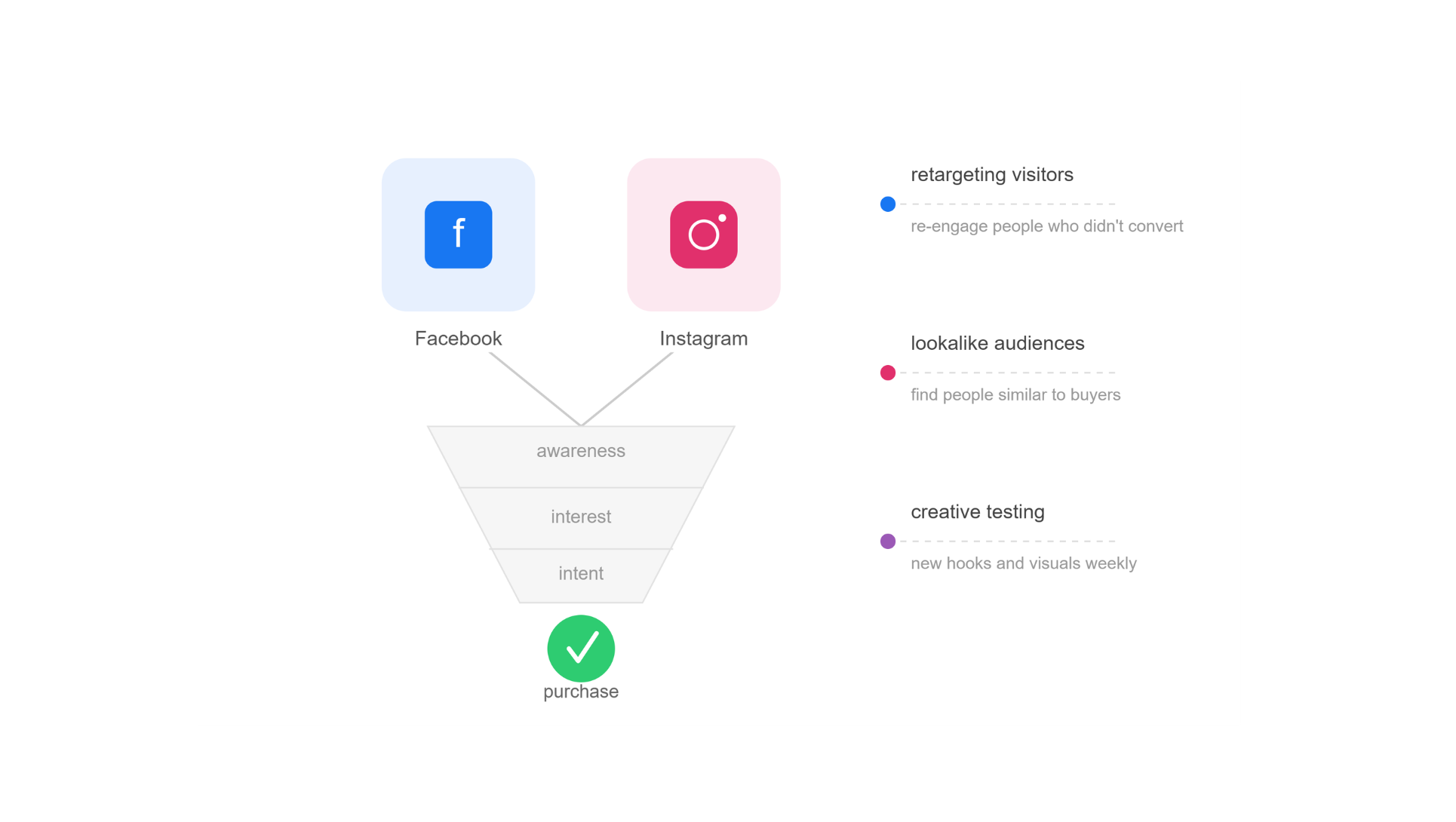
Facebook and Instagram place your product in front of people who were not searching for it — but are exactly the type to buy it. That is what makes Meta a foundational part of any direct-to-consumer marketing setup focused on new audience growth.
Brands running affiliate marketing services alongside Meta campaigns often find that publisher-driven traffic integrates seamlessly into Meta's retargeting funnel — reinforcing the same audience across multiple touchpoints and increasing the overall likelihood of conversion.
Targeting Flexibility That Scales With Your Brand
Meta gives advertisers significant control over who sees their ads. Brands can reach entirely cold audiences who have never interacted with the brand, retarget website visitors who browsed but did not buy, or build lookalike audiences modeled on the characteristics of existing high-value customers.
This layered targeting approach means Meta can serve different roles at different stages of the funnel. Early campaigns introduce the brand. Mid-funnel campaigns educate and build trust. Retargeting campaigns close the sale. Each layer reinforces the one before it, which is why Meta works particularly well as a long-term D2C customer acquisition channel rather than a short-term sales push.
As campaigns run over time, the audience data collected often becomes as strategically valuable as the traffic itself. Understanding which customer segments respond to which messages directly informs product development, pricing decisions, and overall brand positioning.
Why Creative Is the Real Variable on Meta
The targeting can be perfectly configured — but if the ad does not stop the scroll, nothing converts. Attention on Meta is scarce and competitive. A user scrolling through their feed makes a split-second decision about whether to pause or keep moving, and that decision is driven entirely by what they see in the first two seconds of an ad.
High-performing D2C brands on Meta continuously test new hooks, visual formats, and messaging angles. What worked well three weeks ago may show signs of fatigue today. Creative refresh cycles are not optional — they are the primary lever for maintaining consistent Meta performance over time.
For brands focused on scaling, Meta is the channel in a D2C growth strategy that keeps products in front of potential customers long enough for interest to mature into purchase intent.
TikTok Ads — Short-Form Video Traffic That Converts New Buyers
TikTok began as an entertainment platform. For D2C brands paying close attention, it has become one of the most efficient top-of-funnel discovery channels available today — and its role in driving direct purchases is growing rapidly.
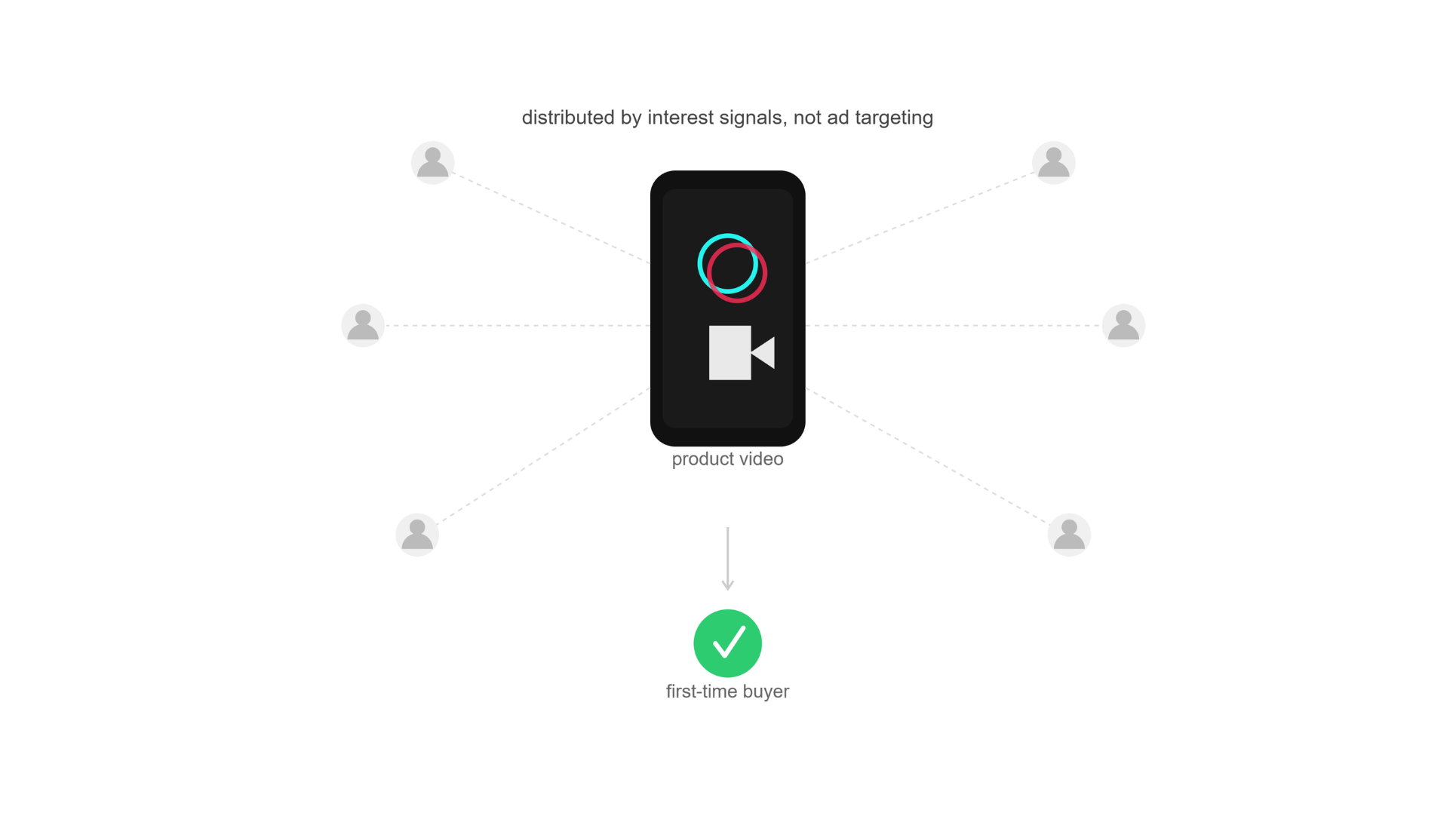
The fundamental difference from Meta is how distribution works. On Meta, you define the audience and the platform delivers your ad to them. On TikTok, the algorithm distributes content based on real-time interest signals — watch time, replays, shares, and engagement behavior. A product video with strong engagement can reach hundreds of thousands of highly relevant viewers without a large paid budget supporting it.
This organic amplification effect makes TikTok the strongest discovery layer in a broader D2C marketing strategy, particularly for brands entering new markets or launching new products.
Content That Feels Native Converts Better
The content that performs well on TikTok rarely resembles a traditional advertisement. Users are on TikTok to watch content that entertains, informs, or surprises them — not to be sold to. Ads that match the native feel of the platform consistently outperform polished, production-heavy creative formats.
Real product demonstrations, unfiltered reviews, problem-solution storytelling, and behind-the-scenes content tend to see the strongest response. The more the ad feels like something a creator would naturally post, the more the platform rewards it with distribution.
TikTok Is No Longer Just for Younger Audiences
Early assumptions about TikTok being a youth-only platform are outdated. Brands in beauty, fitness, home decor, wellness, and lifestyle are now seeing strong traction across a much broader demographic range. As the platform's user base continues to mature, D2C brands across categories are treating TikTok as a direct revenue channel — not just a brand awareness investment.
Products that can demonstrate clear, immediate value within a few seconds of video consistently see the strongest conversion rates. If your product solves a visible problem or creates a noticeable result, TikTok is one of the most cost-efficient D2C customer acquisition channels available in 2026.
Google Ads — High-Intent Traffic With the Strongest Conversion Value
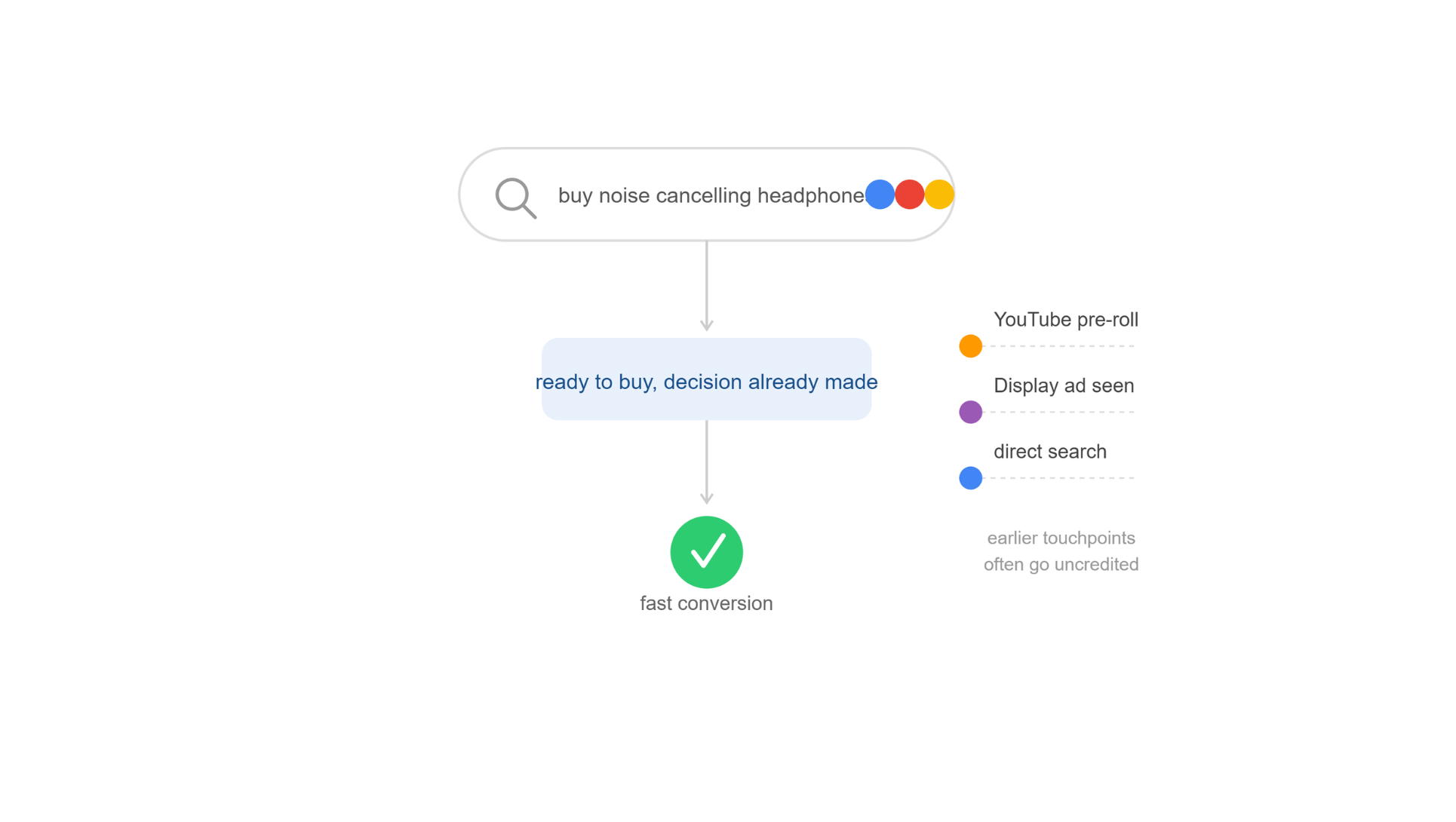
When someone searches on Google, the consideration phase is already behind them. They have done the research, narrowed their options, and decided to buy. They are simply choosing where.
This is what makes Google the highest-converting paid channel in most D2C growth strategy setups. Search traffic buys faster and at higher rates than social traffic precisely because the buying intent was formed before the click — not after it.
The Brand Protection Gap Most D2C Brands Overlook
If a competitor is actively bidding on your brand name and you are not running brand search campaigns, that warm, high-intent traffic goes directly to them. The buyer searched for your brand specifically — showed the strongest possible purchase signal — and ended up on a competitor's product page because you were not there to meet them.
Many D2C brands discover this gap after losing significant revenue. Protecting your branded search terms is one of the highest-ROI decisions in paid search, and it is often one of the last things brands think to do.
Why Last-Click Attribution Undercounts Google's Real Contribution
Brands running both Google and Meta frequently undercount what Google is actually contributing to revenue. A buyer who first saw a TikTok video, was later retargeted on Instagram, and then searched directly on Google may be recorded entirely as a Google conversion in a last-click model — but TikTok and Meta influenced every step of that journey.
Last-click attribution creates the illusion that Google is doing all the work when in reality it is often the final step in a multi-touchpoint process. Multi-touch attribution models give D2C brands a more accurate picture of how each channel contributes to the overall conversion path — and where budget should actually be allocated.
How D2C Brands Scale Through Multichannel Marketing Strategy
No single platform drives sustainable growth alone. The most successful D2C brands operate across Meta, TikTok, and Google simultaneously — with each channel serving a defined role in how customers move from first exposure to final purchase.
A buyer rarely converts on first contact. They encounter a product on TikTok and scroll past it. Days later, a Meta retargeting ad resurfaces the brand. Eventually, they search on Google to confirm the decision. That final search gets credited as a Google conversion in most tracking setups — but TikTok and Meta built the entire path leading there.
This is why viewing each channel in isolation produces incomplete data, misleading attribution, and poor budget allocation decisions. A multichannel marketing strategy gives D2C brands a more complete picture of what is actually driving revenue — and where the next dollar of spend will generate the most return.
How vCommission Supports D2C Performance Marketing
As D2C budgets grow, clarity on what is actually working becomes essential. vCommission supports advertisers by providing performance visibility across channels and connecting brands with publisher and affiliate partners who drive incremental revenue alongside owned paid channels.
The results are concrete. Skimmylo, a fast-growing shapewear brand, partnered with vCommission to bring structure and clarity to its scaling efforts — and achieved 19x GMV growth. Slursh, operating in a category requiring significant customer education before purchase, used the same structured approach to deliver a 691% increase in GMV.
Working through an established affiliate marketing network at this stage gives D2C brands consolidated tracking, real-time performance analytics, and dedicated account management — allowing them to optimize spend across multiple channels from a single dashboard rather than managing fragmented data across separate platforms.
Conclusion
The most profitable traffic channels for D2C brands are not a mystery. Meta builds purchase intent through consistent social exposure. TikTok drives top-of-funnel discovery through algorithm-powered content distribution. Google converts high-intent buyers at the moment they are ready to act.
The brands that grow consistently are not the ones spending the most across all three. They are the ones who understand how these channels work together — how a TikTok view becomes a Meta retargeting opportunity, and how that retargeting eventually becomes a Google search that closes the sale.
If you are ready to bring structure to your D2C growth strategy and scale customer acquisition with better performance visibility, vCommission connects advertisers with publisher networks and affiliate partners built for measurable, scalable results.