Amazon affiliate marketing is the simplest way to start earning commissions online — and it's where the majority of successful affiliates began their journey. The concept is straightforward: you recommend Amazon products to your audience through unique referral links, and when someone purchases through your link, you earn a commission.
What makes Amazon affiliate marketing uniquely powerful isn't the commission rates — they're actually lower than many other programs. It's the combination of Amazon's massive product catalog, unmatched brand trust, and the fact that you earn commissions on everything the buyer purchases during their session, not just the product you linked to.
Someone clicks your link for a ₹500 phone case, but then adds a ₹25,000 laptop to their cart and checks out. You earn commission on both. That session-based earning model is something very few other affiliate programs offer, and it's why Amazon Associates remains the most popular affiliate program in the world.
Whether you're a blogger, YouTuber, Instagram creator, or someone sharing deals on WhatsApp, this guide covers everything you need to know — from signing up and generating links to choosing products, creating content, and scaling your Amazon affiliate marketing earnings. This is consistently one of the most recommended affiliate programs for anyone starting their affiliate journey.
What Is Amazon Associates and How Does It Work?
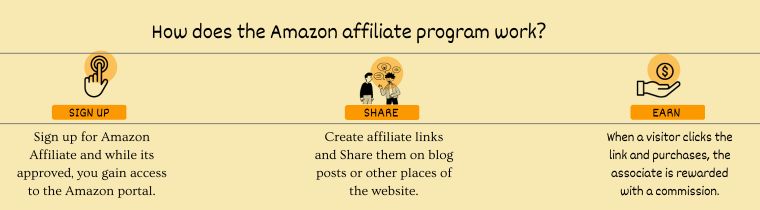
Amazon Associates is Amazon's official affiliate program — the system that lets individuals and businesses earn referral commissions by promoting Amazon products. It's been running since 1996, making it one of the oldest and most established affiliate programs on the internet.
The Basic Earning Flow
The process works in a simple chain:
- You sign up for Amazon Associates and get approved.
- You browse Amazon's product catalog and find products relevant to your audience.
- You generate a unique affiliate link for each product using Amazon's link tools.
- You share that link in your blog posts, YouTube descriptions, social media, or WhatsApp messages.
- When someone clicks your link and makes a purchase on Amazon within 24 hours, the sale is attributed to you.
- Amazon calculates your commission based on the product category and adds it to your earnings dashboard.
- Payouts are processed monthly once you reach the minimum threshold.
The 24-Hour Cookie Window
Amazon's cookie duration is 24 hours — shorter than most affiliate programs. This means the referred buyer must complete their purchase within 24 hours of clicking your link. If they add items to their cart within that 24-hour window, the cookie extends to 90 days for those specific carted items.
The short cookie is a limitation, but Amazon's exceptionally high conversion rate compensates. People who click through to Amazon are often ready to buy because they already trust the platform. The familiarity and trust that Amazon carries eliminates most purchase hesitation.
Session-Based Commission: Your Hidden Advantage
Here's where Amazon Associates truly differs from other programs. When someone clicks your affiliate link, you earn commission on everything they purchase during that session — not just the product you linked.
You share a link to a ₹300 book. The buyer adds the book, then decides to also purchase a ₹15,000 washing machine and a ₹2,000 pair of headphones. You earn commission on all three items because the buyer's entire shopping session started from your referral link.
This session-based model means your actual earnings per click are often significantly higher than what the commission rate on your linked product alone would suggest.
Amazon Affiliate Commission Rates by Product Category
Commission rates on Amazon vary significantly by product category. Understanding these rates helps you choose products and niches that maximize your earnings per referral.
Current Amazon India Commission Structure
- Fashion (clothing, shoes, accessories) — among the highest commission categories, making fashion content particularly lucrative for affiliates.
- Beauty and personal care — strong commission rates with high repeat purchase frequency.
- Home and kitchen — moderate commissions but high average order values, which compensates.
- Electronics and gadgets — lower commission percentages, but high product prices mean decent per-sale earnings.
- Books — moderate commissions with a highly engaged buyer audience.
- Grocery and gourmet — lower rates but very high purchase frequency.
Commission rates change periodically — Amazon adjusts them based on category performance and business priorities. Always check the current rate table on your Amazon Associates dashboard before building content strategy around specific categories.
Maximizing Earnings Despite Lower Rates
Amazon's commission rates are lower than many standalone affiliate programs. A fashion brand's direct affiliate program might pay 15-20%, while Amazon pays significantly less for the same category. But Amazon compensates with three advantages that most programs can't match: conversion rate (people trust and buy from Amazon more readily), session-based commissions (you earn on the entire cart), and product variety (you can promote millions of products from a single account).
How to Sign Up for Amazon Associates Step by Step

Getting started with Amazon affiliate marketing requires a straightforward application process.
Step 1: Visit the Amazon Associates Homepage
Go to the Amazon Associates page for your target market — affiliate-program.amazon.in for India or affiliate-program.amazon.com for the US. Click "Sign Up."
Step 2: Create or Log Into Your Amazon Account
Use your existing Amazon customer account or create a new one. Your affiliate account links to your regular Amazon login.
Step 3: Fill in Your Profile Information
Provide your name, address, and payment details. Amazon needs this information for tax reporting and commission payments.
Step 4: Add Your Website or Social Media Channels
List the websites, blogs, YouTube channels, or social media profiles where you'll promote Amazon products. You can add up to 50 URLs. Having at least one active website or social channel with published content improves your approval chances.
Step 5: Describe Your Traffic and Promotion Methods
Amazon asks how you drive traffic, what topics your content covers, and how you plan to monetize through affiliate links. Be honest and specific — this information helps Amazon evaluate your application.
Step 6: Complete Tax and Payment Information
Set up your payment method — direct bank transfer is the most common option in India. Amazon pays commissions monthly once you reach the minimum payout threshold.
Step 7: Start Generating Links and Promoting
After approval, you can immediately start creating affiliate links using Amazon's SiteStripe toolbar (appears at the top of Amazon.com when you're logged in) or through the Associates dashboard link builder.
Important: The 180-Day Qualifying Period
Amazon requires new affiliates to generate at least 3 qualifying sales within 180 days of signing up. If you don't hit this threshold, your account is closed and you'll need to reapply. This means you should have content ready to publish and traffic sources planned before signing up — don't create your account and then figure out what to promote.
Choosing the Right Niche and Products for Amazon Affiliates

Product selection directly impacts your conversion rates and earnings. The best Amazon affiliates don't promote everything — they choose a focused niche and become trusted authorities within it.
What Makes a Good Amazon Affiliate Niche
The ideal niche sits at the intersection of three factors:
- Products people actively research before buying — categories where buyers search for reviews, comparisons, and recommendations before purchasing. Electronics, home appliances, fitness equipment, and baby products all fit this pattern.
- Reasonable price points — products in the ₹1,000-₹30,000 range hit the sweet spot. Too cheap and commissions are negligible. Too expensive and conversion rates drop because buyers take longer to decide (and the 24-hour cookie works against you).
- Repeat purchase potential — categories like beauty, groceries, pet supplies, and health supplements generate recurring purchases. A buyer who trusts your recommendation comes back repeatedly.
High-Performing Amazon Affiliate Niches in India
- Tech gadgets and accessories — phone cases, chargers, earbuds, laptop accessories. High search volume with consistent buyer intent.
- Home and kitchen — kitchen gadgets, organizers, small appliances. Strong gifting potential during festival seasons.
- Fitness and health — yoga mats, resistance bands, supplements, fitness trackers. Growing health consciousness drives consistent demand.
- Books and education — textbooks, competitive exam prep, self-improvement titles. Strong among student audiences.
- Baby and parenting — new parents research extensively before buying. High trust required, which affiliate content provides.
Creating Content That Drives Amazon Affiliate Sales
Content is the engine that drives Amazon affiliate marketing earnings. The type of content you create determines whether your links get clicked and whether those clicks convert into commissions. Many successful Amazon affiliates run dedicated affiliate blogs focused on product reviews, comparisons, and buying guides within their chosen niche.
Product Review Posts
Detailed, honest reviews of individual products are the highest-converting content format for Amazon affiliates:
- Write from genuine experience whenever possible — products you've actually used.
- Cover pros, cons, key features, who the product is best for, and who should avoid it.
- Include real photos if you have the product — stock images work but personal photos build significantly more trust.
- Compare briefly with 1-2 alternatives to show the reader you've done thorough research.
Example title: "Boat Airdopes 141 Review: Is It Worth ₹1,299?"
Comparison and "Versus" Posts
Comparison content targets buyers who have narrowed their choices to 2-3 options and need help deciding:
- "Samsung Galaxy A15 vs Redmi Note 13: Which Should You Buy?"
- "Prestige vs Butterfly Mixer Grinder: Complete Comparison"
These posts capture readers at the decision stage — the highest-intent traffic for affiliate conversions.
Best-Of and Roundup Lists
Listicle content casts a wider net, capturing broader searches:
- "10 Best Wireless Earbuds Under ₹2,000 in India"
- "7 Best Kitchen Gadgets for Small Apartments"
- "Best Laptops for College Students Under ₹40,000"
Each product in the roundup includes your affiliate link, giving readers multiple purchase options while maximizing your chances of earning a commission from the post.
How-To and Buying Guides
Educational content that naturally recommends products converts well because the recommendation feels like helpful advice rather than promotion:
- "How to Set Up a Home Office: Everything You Need"
- "Complete Beginner's Guide to Home Brewing Coffee"
Within these guides, every tool, product, or accessory you mention links to Amazon through your affiliate link. Any affiliate marketing agency working with Amazon affiliates would confirm that helpful, problem-solving content consistently outperforms purely promotional approaches.
Best Traffic Sources for Amazon Affiliate Content
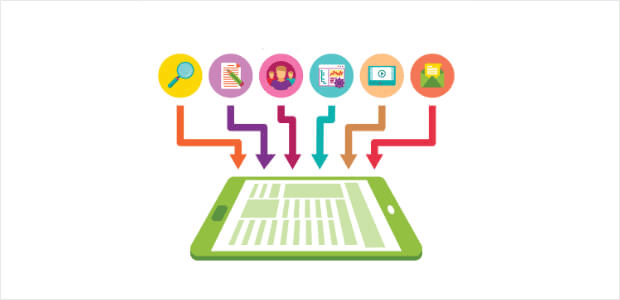
Creating great content is half the equation. Getting the right people to see it completes the circuit.
SEO and Organic Search Traffic
Search engine optimization is the most valuable long-term traffic source for Amazon affiliates because searchers have active purchase intent. Someone Googling "best mixer grinder under ₹3,000" is close to buying — they just need guidance on which one.
Optimize your content for long-tail keywords that indicate buying intent. "Best," "review," "vs," "under ₹X," and "worth it" are all buying-signal keywords that convert well.
YouTube Product Reviews
Video reviews let viewers see the product in action, building trust faster than text alone. Create unboxing videos, hands-on reviews, and comparison videos with Amazon affiliate links in the description. YouTube is the second-largest search engine, and product-focused videos attract high-intent viewers.
Pinterest for Visual Product Discovery
Pinterest functions as a visual search engine where users actively discover and plan purchases. Create appealing pins for your product roundups and reviews, linking to your blog posts. Pinterest pins have a long content lifespan — a single pin can drive traffic for months.
WhatsApp and Telegram for Deal Sharing
Share Amazon deals with your WhatsApp groups and Telegram channels. Festival sale events (Amazon Great Indian Festival, Prime Day) are peak periods for deal-sharing traffic. Groups focused on specific deal categories ("Tech Deals Under ₹5,000") attract members who actively want your product recommendations.
Instagram and Social Media
Instagram Reels showing product features, Stories with swipe-up links, and carousel posts comparing options all drive affiliate traffic. Fashion, beauty, and lifestyle niches perform particularly well on Instagram because the products are visually appealing.
Amazon Affiliate Link Tools and How to Use Them
Amazon provides several tools for generating and managing your affiliate links efficiently.
SiteStripe Toolbar
When you're logged into your Amazon Associates account and browsing Amazon, the SiteStripe toolbar appears at the top of every page. It lets you instantly generate text links, image links, or text+image links for any product page you're viewing. This is the fastest way to create affiliate links while browsing products.
Product Link Builder
The Associates dashboard includes a product link builder where you search for products by keyword or ASIN (Amazon's unique product identifier) and generate formatted affiliate links. Useful for batch link creation when building roundup posts.
Amazon OneLink
If your audience spans multiple countries, Amazon OneLink automatically redirects international visitors to their local Amazon store. A reader in the US clicking your Amazon.in link gets redirected to the same product on Amazon.com. This prevents losing commissions from international traffic.
Native Shopping Ads
Amazon provides native ad widgets you can embed in your content — recommendation ads, search ads, and custom ads that display relevant products based on your page content. These ads feel natural within blog posts and earn commissions when visitors click and purchase.
Common Mistakes That Hurt Amazon Affiliate Earnings

Avoiding these errors accelerates your path to consistent commissions.
Promoting Too Many Categories Without Focus
Trying to review smartphones, kitchen gadgets, books, and fitness equipment on the same site dilutes your authority. Google and readers both trust focused expertise. Choose 1-2 related categories and build depth rather than breadth.
Writing Thin, Generic Reviews
A 200-word review that restates Amazon's product description adds no value. Readers want your genuine opinion, real pros and cons, comparison with alternatives, and a clear recommendation. Thin content doesn't rank, doesn't build trust, and doesn't convert.
Ignoring the 180-Day Qualifying Requirement
New affiliates who sign up without a traffic plan and fail to generate 3 sales within 180 days lose their account. Have content published and traffic sources active before applying.
Not Disclosing Affiliate Relationships
Amazon requires clear disclosure that you earn commissions from affiliate links. Place a disclosure statement near the top of every page containing affiliate links. Beyond Amazon's requirement, transparency builds reader trust.
Relying Solely on Amazon
Amazon's commission rates change periodically — sometimes dropping significantly for specific categories. Diversifying across multiple affiliate programs and traffic sources protects your income from any single program's policy changes. Consider complementing your Amazon promotions with campaigns from an established affiliate network that provides access to hundreds of additional brand campaigns, consolidated tracking, and dedicated support — giving you income stability beyond any single program.
Conclusion
Amazon affiliate marketing remains the most accessible entry point into affiliate earning because of Amazon's unmatched product catalog, brand trust, and session-based commission model. While commission rates are lower than some standalone programs, the conversion advantage — people trust and buy from Amazon more readily than almost any other platform — compensates significantly.
Success requires choosing a focused niche, creating genuinely helpful content (reviews, comparisons, buying guides), driving targeted traffic through SEO and social channels, and being patient enough to let your content library compound over time.
Start with the 3-qualifying-sales requirement in mind — have content published and traffic flowing before you sign up. Focus on products your audience genuinely needs. Be honest in your reviews. And remember that every piece of content you publish today can earn commissions for years to come.
The product catalog is unlimited. The audience is already on Amazon. Your job is connecting the two through content that helps people make better buying decisions.